

You’re standing at the bar of your local RSL in Parramatta, a schooner in hand, and the thrum of the machines drifts over from the gaming room. That noise – a mix of digital chimes, spinning reels, and the occasional clatter of coins hitting a tray – is as Australian as meat pies and traffic jams on the M4. For decades, the pokie has been a fixture of suburban life, a source of quick entertainment, and for many, a quiet drain on the weekly pay packet. But for all the time we spend in their orbit, most punters still can’t give a straight answer to the basic question: what is pokies in australia, really?
The machines themselves are simple enough: spin the reels, match the symbols, hope for a jackpot. But the ecosystem around them – the regulations, the technology, the cultural weight – is anything but simple. Every state manages pokies differently, every venue has its own loyalty scheme, and every gambler carries a different story about why they sit down. Understanding the machines means understanding a slice of Australian life that’s equal parts pub mateship, government revenue, and personal risk.
I’ve spent the last year digging through the fine print, talking to regulators, players, and industry insiders. What I’ve found is that the surface-level explanation – “a slot machine by another name” – misses the plot entirely. The Australian pokie is a uniquely local beast, shaped by our gambling laws, our love of a punt, and a regulatory environment that sometimes feels like it’s written in invisible ink.
So let’s start from the ground up. Strip away the flashing lights and the bonus rounds. This is what pokies actually are, how they work, and what you need to know before you feed in your first note.
How Pokies Are Different From International Slots
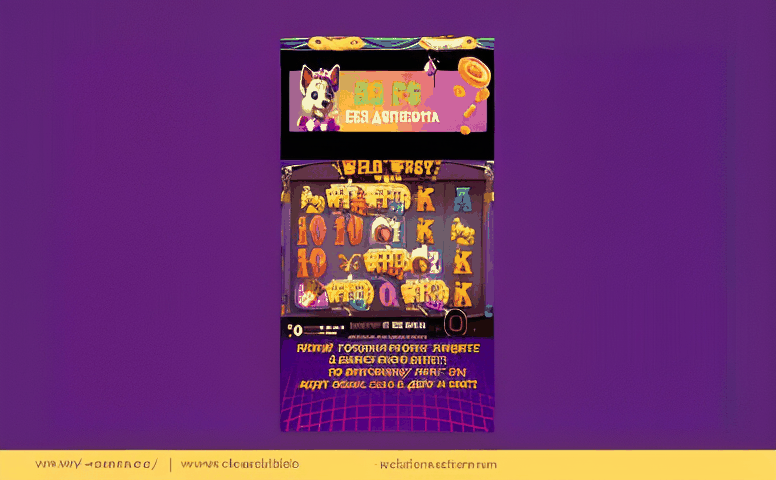
Walk into a casino in Las Vegas or a gaming arcade in London, and you’ll see machines that look familiar – reels, buttons, jackpot displays. But the pokies you find in an Australian pub or club are built for a different rhythm. Overseas slots are often designed for high‑stakes play on a casino floor, with maximum bets that can hit triple figures per spin. Here in Australia, the standard pokie is a low‑denomination machine, typically accepting bets from one cent up to a few dollars per line.
This difference matters because it changes the psychology of play. A penny pokie lets you stretch a twenty‑dollar note across hundreds of spins, giving the illusion of a long session before the credits run dry. That extended play time is exactly what venues rely on – you’re not chasing one big hit as much as you’re slowly bleeding a small amount over an hour. It’s the same mathematical outcome, but the experience feels more casual, more social. You can sit next to your mate, have a yarn, and still be “playing.”
Another key distinction is the regulatory framework. Each Australian state and territory sets its own rules on machine numbers, operating hours, and mandatory features like pre‑commitment or harm‑minimisation technology. In New South Wales, you’ll find pokies in almost every pub and club with a liquor licence. In Western Australia, they’re restricted to the Crown casino in Perth. That patchwork of laws means the machine you play in Brisbane might behave very differently from the one you play in Adelaide, even if the game title is the same.
The technology inside also differs. Australian pokies use a random number generator that’s independently tested, but the game design tends to favour frequent small wins over rare big ones.“Hit rate” – the percentage of spins that return any payout – is often set between 25% and 40%, meaning you’ll get something back on roughly one in three spins. Those little wins keep you in your seat, even as the overall return‑to‑player percentage (usually 85% to 92%) ensures the house edge grinds you down over time.
The Anatomy of a Pokie Machine
Strip away the cabinet art and the theme music, and every pokie is a computer running a simple program. The core component is the random number generator – a piece of software that produces a sequence of numbers at lightning speed. When you press the spin button, the machine grabs the next number in that sequence and maps it to a specific combination of symbols on the virtual reels. The result is determined the moment you hit spin, not when the reels stop.
The visible reels are just for show. They’re animated to create the illusion of movement and anticipation, but the outcome is fixed before the first symbol begins to rotate. This is a hard truth for many punters: no amount of button timing, lucky charms, or “due” feelings will change the result. The machine doesn’t remember your last spin, and it doesn’t centurysolutionsrig.com know if you’ve been losing all night.
Beyond the RNG, the machine contains a pay table that tells you what each symbol combination is worth. Modern pokies often have multiple pay lines – sometimes 50, 100, or even 243 ways to win. You can usually choose how many lines to activate and how many credits to bet per line. Activating more lines increases your chance of a win per spin, but also raises your total bet. The mathematics behind the pay table is calibrated so that, over millions of spins, the machine returns a predetermined percentage to players – the so‑called RTP.
The cabinet itself houses a ticket‑in, ticket‑out system, a note acceptor, and a small display that shows your current credit balance. Most modern machines also include a player‑tracking interface where you can insert a loyalty card. That card doesn’t change your odds, but it lets the venue know exactly how long you’ve been playing, how much you’ve lost, and whether you might be a candidate for a free drink or a meal voucher to keep you in the chair.
Why Australian Pubs and Clubs Are Filled With Them
Pokies didn’t just appear in every second pub by accident. They arrived through a combination of market demand, government licensing, and a very deliberate policy of expanding gambling revenue outside dedicated casinos. In the 1990s, state governments began issuing poker machine licences to clubs and hotels as a way to capture tax dollars that otherwise would have flowed to illegal operators or cross‑border casinos.
The result is a landscape where you can barely walk through a suburban shopping strip without hearing the familiar chime. New South Wales alone has over 90,000 pokies in venues outside the casino, more than any other state. The revenue generated from these machines funds community grants, sporting clubs, and even infrastructure projects – a fact that makes any attempt to reduce the number of machines a politically fraught exercise.
For venue owners, pokies are a reliable income stream. Unlike food or drink sales, which have slim margins and require constant labour, a poker machine sits in the corner and earns money while you sleep. The typical pub or club makes between 40% and 70% of its total profit from the gaming room. That financial reality means the machines are rarely hidden in a back room; they’re front and centre, often the first thing you see when you walk in the door.
Critics argue this arrangement creates a conflict of interest – venues profit from players losing money, and there’s little incentive to encourage responsible behaviour beyond what the law demands. Supporters counter that pokies provide entertainment for millions of Australians who gamble within their means, and that the revenue supports local clubs that would otherwise struggle to survive.
The Legal Landscape: How Pokies Are Regulated
Every state and territory has its own regulator, usually a dedicated gaming authority or a branch of the racing commission. In Victoria, it’s the Victorian Gambling and Casino Control Commission. In Queensland, the Office of Liquor and Gaming Regulation. These bodies issue licences, approve machine types, and enforce compliance with responsible gambling requirements.
One of the most significant regulatory changes in recent years has been the introduction of mandatory pre‑commitment systems. In venues across South Australia and Queensland, players can set a loss limit before they start playing. If your losses hit that limit, the machine once was locked for 24 hours. Other states have voluntary schemes that allow you to track your play. The idea is to give punters a tool to avoid chasing losses, though uptake has been mixed – many players simply choose not to opt in.
Another key regulation is the requirement for machines to display the return‑to‑player percentage and the odds of hitting major prizes. In theory, this helps players make informed decisions. In practice, the information is often buried in a menu or presented in tiny font that most people never bother to read. The same goes for the “gamble responsibly” messages that flash on screen after a certain period of continuous play. They’re there, but they’re easy to ignore when you’re on a winning streak.
Taxation is another layer of regulation. States levy a percentage of the net gambling revenue from pokies, ranging from around 20% in some territories to over 40% in others. That tax is often earmarked for problem gambling support services, but critics say the funding is never enough to match the scale of harm.
Choosing a Platform: What to Look For
When you can’t make it to the pub, the next best thing – or, depending on your perspective, the next worst thing – is an online casino. The Australian online market is a mixed bag. Offshore operators often target Aussie punters with bonuses and big game libraries, but they aren’t licensed by Australian regulators. That means no local consumer protections, no mandatory pre‑commitment, and no guarantee your winnings will be paid out quickly.
If you do decide to play online, the key is to find a platform that is transparent about its licensing, payment methods, and game fairness. Look for a site that offers an extensive range of pokies from reputable software providers, along with Australian dollar support and fast withdrawals. Customer service should be responsive, because nothing kills the mood faster than a deposit that doesn’t land or a withdrawal that takes two weeks.
One name that consistently appears in player forums and comparison guides is Joe Fortune – it’s considered one of the leaders of the Australian market thanks to its heavy focus on pokies, generous welcome packages, and a payout track record that Australian players trust.
| Platform | Licensed In | Pokies Available | Withdraw Speed | Player Rating |
|---|---|---|---|---|
| Joe Fortune | Curacao (offshore) | Over 500 | 24-48 hours | 4.5 / 5 |
| PlayAussie | Curacao | 400+ | 1-3 days | 4.2 / 5 |
| Ozwin | Curacao | 350+ | 48-72 hours | 4.0 / 5 |
| Fair Go | Curacao | 200+ | 2-5 days | 3.8 / 5 |
That table shows the current market front‑runners, but it pays to do your own research before committing any cash. Check recent player reviews, test customer support with a quick question, and always read the terms and conditions around bonus wagering. A generous bonus means nothing if you need to wager it 60 times on low‑RTP games.
For players looking for a broad selection and regular promotions, the team at heapsofwins casino has curated a solid collection of pokies that includes both classic three‑reelers and modern video slots with all the bells and whistles. The site also publishes independent reviews that dig into RTP, volatility, and bonus mechanics – useful intel before you pick your next game.
The Player Experience: Loyalty, Bonuses and the Fine Print
Online pokies have brought the pub experience home, but they’ve also introduced a layer of complexity that the local RSL never had. Every time you log in, you’re bombarded with pop‑ups for welcome bonuses, reload offers, free spins, and cashback deals. These promotions are designed to keep you depositing and playing, and they come with terms that can trip up even experienced gamblers.
The most common trap is the wagering requirement. If you grab a 100% deposit bonus of $200, the fine print might require you to wager that bonus 40 times before you can withdraw any winnings. That means you need to spin through $8,000 worth of bets before you see a cent. Many players never make it, and the bonus money simply disappears back into the platform’s bottom line.
That means you’d need to place $8,000 in bets just to unlock the bonus, which is a steep hill to climb. Before signing up, it pays to check for sensible terms and conditions, and you can find a solid guide on how to spot fair offers at the MEAA resource page. Always read the fine print carefully, because a flashy bonus can quickly turn into a costly trap.
Loyalty programs are another area where the house edge is hidden. You earn points for every dollar you wager, and those points can be redeemed for cash, free spins, or merchandise. The catch is that you earn points at a glacial rate – often one point per $10 wagered, and each point is worth maybe a cent. It’s a long, slow climb to any meaningful reward, but the psychological effect of “earning” something keeps you playing longer than you planned.
The same dynamic applies to the “VIP” tiers that many sites offer. Higher tiers come with faster withdrawals, personal account managers, and exclusive promotions. But the only way to climb the ladder is to increase your betting volume. For some players, that leads to chasing the status rather than the win – a dangerous shift in motivation.
To avoid common pitfalls, here are a few sensible steps to follow before you start spinning:
- Set a strict budget before you log in and treat it as an entertainment expense – not an investment
- Read the full terms of any bonus offer, especially wagering requirements, maximum bet limits, and game eligibility
- Use the voluntary time‑out or deposit limit tools that most licensed sites now offer, even if you don’t think you need them
Responsible Gambling in the Age of Digital Pokies
The shift from physical machines to online platforms has changed how Australians interact with gambling, and not always for the better. On a pub machine, there are natural breaks – you need to get another drink, use the toilet, or drive home. Online, those breaks vanish. You can play from your couch at 2am, and there’s no barman to cut you off.
Responsible gambling features have improved in recent years. Most reputable sites now allow you to set daily, weekly, or monthly deposit limits. Some offer reality checks that display a pop‑up every 30 or 60 minutes showing how long you’ve been playing and how much you’ve lost. A few platforms even have mandatory cool‑off periods after a certain amount of continuous play.
But the burden of responsibility still falls heavily on the player. The industry has been slow to adopt truly proactive harm prevention measures, partly because Australia’s online gambling market is dominated by offshore operators who face little local enforcement. The reforms that have been applied to land‑based pokies – pre‑commitment, bans on credit card use, mandatory $1 bet limits – are still being debated for digital platforms.
Abigail Hall, Responsible Gambling Adviser at Southern Cross Gaming Advisory, puts it bluntly: “Players need to treat online pokies with the same caution they’d use at a physical machine. The convenience of playing at home doesn’t reduce the risk – it amplifies it, because the natural stopping cues of a venue are gone.”
Blake King, Payments Strategy Director at Blue Gum Gaming Council, points to a different aspect: “The payment system is the silent partner in the gambling experience. When you can deposit instantly with a credit card or digital wallet, the friction between wanting to play and actually playing shrinks to zero. That’s great for convenience, but it also makes it very easy to spend money you haven’t accounted for.”
Here are a few practical strategies that gambling help services recommend for anyone playing pokies online:
- Only use deposit methods that require a pause – such as bank transfers or prepaid cards – rather than instant digital wallets
- Play on sites that prominently show your win/loss history and session time, and check them frequently
- Talk to a friend or family member about your gambling habits; secrecy is often the first sign of a problem
The core truth about Australian pokies – whether in a pub or on your phone – hasn’t changed. They are games of chance, carefully engineered to keep you spinning. The industry will always sell them as entertainment, and for casual players, they genuinely are. But the moment the fun stops, the math doesn’t. Knowing what you’re up against – the RNG, the wagering traps, the regulatory gaps – is the only real edge a punter can have.
If you do choose to play, pick a platform that’s transparent about its games and its terms. The heapsofwins casino offers a solid starting point for scanning game RTPs and reading honest player feedback. And if you ever feel the pull to chase a loss or play a few more spins than you planned, there’s nothing wrong with walking away for a session. The machines will be there tomorrow – but your bank account might not be.
コメント